
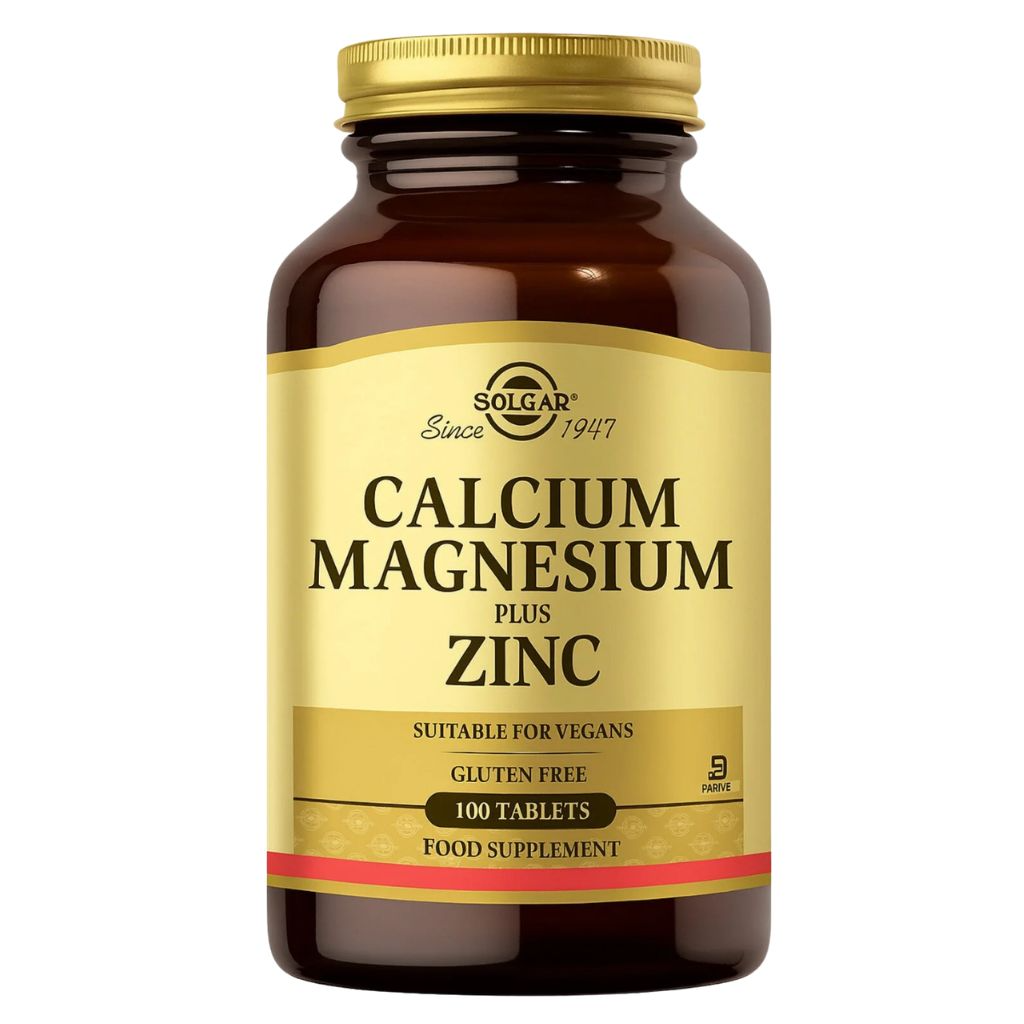
Strong bones and flexible knees form the foundation of an active life, yet their care gets overlooked until a twinge or ache appears. This internal framework carries the body through countless daily motions, from climbing stairs to bending to pick up a dropped item.
The right minerals keep this framework resilient and responsive to every demand placed upon it. A balanced intake of key nutrients offers the best defense against wear, and many turn to supplements for knee pain to fill any dietary gaps.
Calcium:
Calcium provides the rigid structure that keeps the skeleton strong and resistant to fractures. The body stores over ninety-nine percent of its calcium supply within the bones and teeth. This mineral continuously cycles in and out of the skeletal system through a process of breakdown and rebuilding. An adequate daily supply maintains bone density and prevents the weakening that leads to fractures. Without sufficient calcium, the body pulls reserves from the bones, leaving them porous and fragile.
Magnesium:
Magnesium converts vitamin D into its active form, which then controls calcium absorption and distribution. This mineral also influences the activity of osteoblasts, the cells that build fresh bone tissue. A deficiency in magnesium disrupts the entire mineral balance and reduces bone crystal formation. Green leafy vegetables, nuts, and whole grains offer excellent sources of this vital nutrient. Magnesium supports muscle function around the knees, promoting stability during movement and reducing unnecessary strain.
Phosphorus:
Phosphorus teams up with calcium to create hydroxyapatite, the crystalline substance that gives bones their hardness. This partnership makes up a significant portion of the bone matrix and ensures proper structural integrity. The ratio between calcium and phosphorus must remain balanced for optimal bone formation. Dairy products, fish, and poultry supply this mineral in easily absorbable forms. Phosphorus also participates in energy production, which fuels the muscles that protect knee joints.
Zinc:
Zinc plays a direct role in bone regeneration and the healing of micro-fractures that occur during physical activity. This mineral supports collagen synthesis, which forms the flexible framework where minerals deposit. Zinc deficiency slows the healing process and reduces bone formation rates in both young and older individuals. Oysters, beef, and pumpkin seeds provide rich quantities of this essential trace element. Proper zinc levels also reduce inflammation around the knees, easing discomfort from overuse.